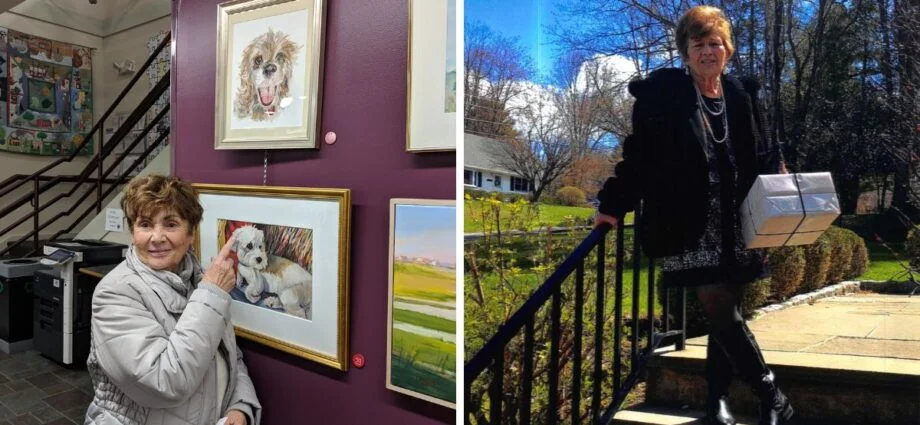
Donna Sicuranza serves as the Executive Director of Tait’s Every Animal Matters (TEAM), a Connecticut-based nonprofit headquartered in Westbrook. The organization is best known for operating one of the state’s longest-running mobile feline spay and neuter clinics, focused on making essential veterinary care more accessible and affordable.
Her work is closely associated with expanding low-cost cat care, strengthening community-based animal welfare programs, and building sustainable access to veterinary services over more than two decades of leadership. This article explores her professional journey, her impact at TEAM, the mobile clinic model she has helped develop and sustain, and why her efforts continue to be significant for cat owners, rescue organizations, and animal welfare advocates across Connecticut.
Who Is Donna Sicuranza
Donna Sicuranza is a nonprofit executive with a background in writing, editing, and public relations, and she has spent over twenty-five years leading Tait’s Every Animal Matters (TEAM). In some official TEAM records, she also appears as Donna Sicuranza Marconi; both names refer to the same individual and her long-standing work with the organization.
Before moving into animal welfare, her career was rooted in communication and storytelling. She earned her bachelor’s degree in English Language and Literature from Fairfield University (1978–1982), followed by a master’s degree in the same field from Trinity College in Hartford (1989–1992). During the years between and after her studies, she worked as a freelance writer, editor, and public relations professional from 1983 to 1997.
That communications experience later became a key strength in her nonprofit leadership. Managing a mobile veterinary initiative like TEAM requires more than operations—it depends heavily on clear public outreach, donor engagement, and consistent community education, areas where her early career proved especially valuable.
What Tait’s Every Animal Matters (TEAM) Does
Tait’s Every Animal Matters (TEAM) is a registered 501(c)(3) nonprofit focused on one core mission: reducing cat overpopulation through accessible, low-cost veterinary care. Instead of relying on traditional clinic-based services, TEAM built its identity around mobility and outreach—bringing essential care directly to communities that need it most.
Its most recognized initiative is the TEAM Mobile Feline Spay/Neuter Clinic, launched in 1997. At the time, it became Connecticut’s first mobile unit dedicated exclusively to feline spay/neuter procedures and vaccinations, marking a shift away from conventional fixed-location veterinary models toward a more community-driven approach.
The early development of this model was supported by Dr. John A. Caltabiano, then president of the organization, who helped guide the clinical and operational foundation of the mobile unit. Working alongside him, Executive Director Donna Sicuranza helped shape the program’s structure, outreach strategy, and long-term sustainability.
Over time, their combined efforts established a working model that blended veterinary care with public education and community access. This approach has since influenced how similar nonprofit clinics design mobile services for feline populations across the region.
How the Mobile Clinic Model Works
Rather than requiring cat owners to travel to a veterinary facility, the TEAM clinic reverses the traditional care model by bringing a fully equipped surgical unit directly into local communities. This “care-on-wheels” approach was designed to make preventive veterinary services more practical and accessible, especially in areas where clinics are limited or too expensive for routine procedures.
When the mobile unit first launched, the operation was extremely modest—on its inaugural day, the team performed twelve feline sterilizations inside a compact 22-foot vehicle, with space barely sufficient for both equipment and staff. Those early conditions reflected the experimental nature of the model, which would later evolve into a far more structured and efficient system.
As demand grew, so did the scale and capability of the program. Today, the clinic operates with improved infrastructure and workflow, allowing veterinary teams to carry out high-volume spay, neuter, and vaccination services in a more stable and professional environment than in its early years.
This mobile framework removes several long-standing barriers to animal care. It supports cat owners in underserved or rural areas who may not have access to nearby veterinary hospitals, while also addressing affordability challenges that often prevent routine treatment. At the same time, it plays a crucial role for feral cat caretakers, who depend on low-cost, high-volume services to manage and stabilize outdoor cat populations in a humane and sustainable way.
The Scale of TEAM’s Impact
Since the launch of its mobile clinic in 1997, TEAM has delivered veterinary care to more than 225,000 cats. Rather than being the result of a single large-scale initiative, this figure reflects nearly three decades of continuous, routine field operations—built one appointment, one procedure, and one animal at a time.
Each case represents a practical intervention: a household gaining access to affordable care, or a feral cat colony receiving management that would otherwise be difficult to achieve through traditional veterinary systems. Over time, these individual efforts have accumulated into a sustained, large-scale impact on feline population control and community animal welfare.
Behind this work is a compact but highly experienced team. Several long-tenured veterinary technicians have played a central role in supporting the majority of procedures over the years, working alongside the medical director who maintains clinical oversight. This level of staff continuity is relatively rare in nonprofit veterinary organizations and has contributed to the consistency and reliability of TEAM’s operations over time.
Donna Sicuranza’s Leadership Approach
Effective leadership in animal welfare goes far beyond a general concern for animals. It requires sustained expertise in fundraising, donor relations, volunteer coordination, partnership development, and the operational discipline needed to keep a mobile veterinary program running reliably year after year. Donna Sicuranza’s background in writing, editing, and public relations plays a key role in this environment, where clear and consistent communication is essential to maintaining donor trust and community engagement over time.
Within public descriptions of TEAM’s work, the organization’s mobile clinic model is positioned carefully—not as a substitute for traditional veterinary hospitals, but as a complementary access point. Its purpose is to provide lower-cost preventive care for cat owners who may otherwise be unable to afford standard spay, neuter, and vaccination services. This positioning defines TEAM’s role as a gap-filler within the broader veterinary care ecosystem rather than a competing provider.
Why Preventive Care Programs Like TEAM Matter
Feline overpopulation extends beyond individual animal welfare concerns and directly affects community-level outcomes. Regions with consistent access to affordable spay and neuter services typically experience reduced shelter intake, fewer stray and abandoned cats, and lower long-term pressure on rescue organizations. When preventive care is widely accessible, its impact extends beyond single procedures, influencing population trends and community conditions over time.
This broader outcome is often why nonprofit leaders like Donna Sicuranza are described in terms of sustained, long-range impact rather than isolated achievements. The results of this work are gradual and cumulative—reflected in changing shelter numbers, healthier community cat populations, and reduced strain on local animal welfare systems over many years.
Frequently Asked Questions
Which organization is Donna Sicuranza connected with?
Donna Sicuranza serves as the Executive Director of Tait’s Every Animal Matters (TEAM), a nonprofit based in Connecticut that operates a mobile clinic focused on feline spay and neuter services.
Where is TEAM located?
TEAM is headquartered in Westbrook, Connecticut, and its mobile veterinary unit provides services to cat owners and caretakers across various communities throughout the state.
When did the TEAM mobile clinic begin operations?
The TEAM Mobile Feline Clinic began in 1997, launching as Connecticut’s first mobile unit dedicated to spay, neuter, and vaccination services for cats.
How many cats has TEAM served over the years?
Since its launch in 1997, TEAM has delivered veterinary care to more than 225,000 cats through its mobile clinic program.
What did Donna Sicuranza do before working in animal welfare?
Before entering the nonprofit sector, Donna Sicuranza worked in writing, editing, and public relations as a freelance professional from 1983 to 1997. She also holds a bachelor’s degree in English Language and Literature from Fairfield University and a master’s degree in the same field from Trinity College in Hartford.
Key Takeaways
Donna Sicuranza’s professional journey is defined less by public visibility and more by long-term, consistent impact. Her foundation in communications, combined with decades of nonprofit leadership, contributed to the development and growth of one of Connecticut’s most established feline welfare programs.
For cat owners, rescue organizations, and local communities, TEAM’s mobile clinic represents a practical model of preventive care-demonstrating how accessible veterinary services can meaningfully improve animal welfare outcomes over time.
Author’s Note
This article is based on publicly available nonprofit documentation, TEAM publications, and verified biographical references. It is intended to present an accurate overview of Donna Sicuranza’s professional role and contributions within the nonprofit animal welfare sector.
Leave a Reply